.svg)

The days when brands were defined only by logos, ads, or messaging are behind us. Today, people judge brands by the experiences they create.
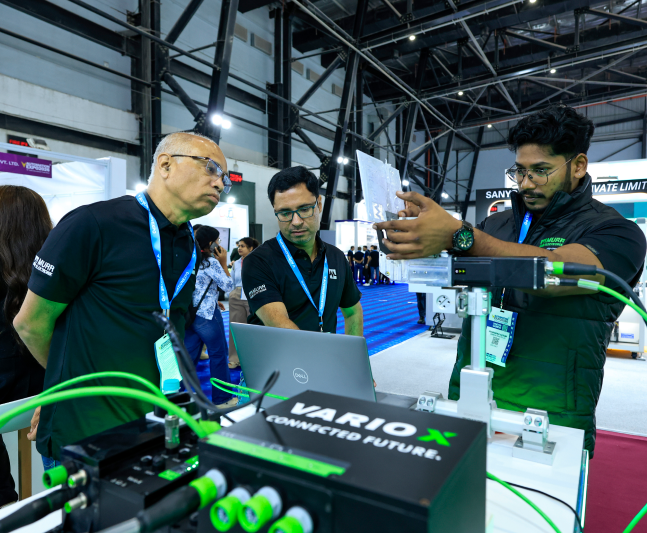
We’re living in an experience-driven economy where the currency is how your brand experience impacts visitors —what people see, feel, and remember. Whether it’s an exhibition, a pop-up, or a trade show, the space where a brand meets its audience plays a huge role in shaping perception. In fact, research by Freeman shows that 95% of people trust a brand more after interacting with it at a live event, and 85% are more likely to buy after attending one.
This is why spatial design is no longer just about making things look good. It’s about making the space work for your brand.
At its core, spatial design is about turning a brand’s story into a physical experience. It brings together design, branding, and interaction to create spaces that people can walk through, explore, and connect with. When done right, it leaves a lasting impression.
For brands investing in exhibitions and live events, this means one thing: a well-designed space can turn a simple booth into an experience people remember long after they’ve walked away.
Why Spatial Design Shapes Brand Perception
People shape opinions about a brand through every interaction they have with it. In exhibitions and live events, these interactions happen through the space itself, how it looks, how it feels, and how intuitive it is.
Spatial design brings a brand to life using physical components like:
- the structure and layout of the space
- materials and textures
- lighting and colors
- sound and overall atmosphere
- Flow of the space
- signage and directions
All these elements work together to shape how visitors feel. Even without realizing it, visitors pick up on these cues and connect them to ideas like quality, innovation, or trust.
For example:
- A luxury brand may use clean layouts, soft lighting, and high-end materials.
- A tech brand might go for bold structures, dynamic lighting, and interactive screens.
- A sustainability-focused brand could use natural materials and open, breathable layouts.
Every design choice sends a message.
Experiential spaces also make brands more memorable. Studies show that 92% of people feel more positive about a brand after attending an event or experience.
That’s why many brands now treat exhibition and event design as an important part of how they present themselves as a brand. Its not just a functional space, but as a way to shape perception.
The Key Spatial Design Elements That Influence Brand Perception
A well-designed exhibition space works like a living, breathing story you can walk through. Every part of the space plays a role in shaping how people experience the brand.
1. Movement and Flow
How people move through a space has a big impact on how long they stay and what they engage with. A good layout makes it easy for visitors to understand where to go and what to do next.
Effective spatial design considers:
- Visitor entry points
- Traffic patterns
- Focal points
- Interaction zones
- Exit experiences
Research shows that 67% of visitors remember booths that are easy to understand and visually appealing. When the flow is clear, people explore more and stay longer. When it’s confusing, they tend to walk away quickly.
2. Focal Points and Visual Anchors
Along with good flow, every booth needs a strong visual element that grabs attention. This acts as a starting point and helps guide people through the space.
Some common examples include:
- Sculptural installation
A bold structure that stands out and makes people curious. It often becomes a photo spot, extending brand visibility through social sharing. - Large LED wall
Dynamic digital displays can show multiple messages, showcase products in action, and adapt content in real time, making the booth feel alive and continuously engaging. - Immersive projection
Surrounding visitors with your brand story via visuals creates a sense of immersion, making the experience more memorable and emotionally engaging. - Dynamic architectural elements
Unique structural features such as suspended forms or kinetic elements add movement and depth, naturally guiding visitor flow while reinforcing innovation and creativity.
These elements structure the visitor journey, shape the overall experience and make the space easier to navigate.
3. Branding and Graphics in the Space
Branding in a booth isn’t just about putting up logos—it’s about how the brand is built into the space itself.
- This includes:
- Brand colors and typography are integrated into structures
- Branded materials and finishes
- Large-scale storytelling graphics
- Interactive brand messaging
- Strategic signage that help people move around
When branding becomes part of the space and not an afterthought, it feels more natural and real. Visitors don’t just see the brand, they experience it as they move through the space.
4. Product Showcase
Elevating a hero product as the centerpiece is a strategic spatial decision that shapes how visitors view the brand. The way a product is positioned within an exhibition booth directly influences the pacing of the brand story, guiding what visitors notice first, how they move through the space, and what they ultimately remember. A good product showcase can ground the entire experience, signaling its importance and aligning it with the brand’s core message.
Key spatial considerations include:
- Entry placement vs. deeper placement: Positioning a product at the entrance creates instant impact, while placing it deeper inside encourages exploration and engagement.
- Height and visibility: Elevated displays naturally draw attention and establish hierarchy, signaling priority.
- Surrounding space: Giving a product breathing room enhances perceived value and avoids visual clutter.
- Contextual storytelling: Pairing the product with visuals, demos, or environments helps visitors understand its use and relevance.
- Sequential placement: Multiple products arranged in a journey can guide visitors through a narrative, from introduction to deeper understanding.
By thoughtfully curating product placement, brands can control attention, support messaging, and create a more intentional and memorable experience.
4. Sensory Design: Lighting, Sound, and Material
Great exhibition spaces don’t just look good; they evoke the right emotions as well. The best ones engage multiple senses and create an experience visitors remember. Research in environmental psychology shows that what people see, hear, and feel in a space directly shapes how they remember a brand.
Some key elements that influence this:
- Lighting
Lighting sets the ambience and directs attention. Bright lighting can make a space feel energetic and bold, while softer lighting can make it feel more premium and calm. - Color
Its a known fact that colors go beyond being a visual element; they influence emotion. The right color palette helps reinforce brand identity and creates a strong first impression. - Sound
Good sound design often goes unnoticed, but bad sound is hard to ignore. Clear audio for presentations and a comfortable noise level make it easier for people to stay and engage. - Materials
What people touch matters. Smooth finishes, textured surfaces, or sustainable materials all send signals about quality and brand values. - Experiential design
This is what brings everything together. Interactive elements, movement, and moments of discovery make the space more engaging and less passive. Instead of just looking, visitors participate—and that’s what makes the experience stick.
Together, these elements shape how people feel in the space, helping build a stronger and more lasting connection with the brand.
Case Study: Designing and Building Accurub for Automechanika
For Automechanika, a global automotive aftermarket event, Accurub wanted to stand out by doing something different. The goal was simple: create a space that reflected the brand clearly while making it easy to build real business connections.
The design focused on an open layout that felt inviting and easy to navigate. Strong visual elements like an LED band and large LED walls helped attract attention and guide visitors through the space. But the real strength of the booth lay in its zoning strategy.
The 102 sqm booth was divided into clear functional areas:
- An attraction zone at the outer edge to draw people in
- An engagement zone for initial interactions
- A nurturing zone for deeper conversations and closing business
- A support zone for back-end needs like storage and pantry
This structure helped manage visitor flow while giving each interaction the right environment.
The result was a space that was both visually striking and highly functional. Visitors stayed longer, engaged more, and interacted with the brand more meaningfully. The booth also saw strong social media traction thanks to its photogenic design.
Most importantly, visitors described the space as “innovative,” “dynamic,” and “futuristic”— exactly the impression the brand wanted to create.
This project is a strong example of how thoughtful spatial design can turn brand intent into a real, memorable experience.
Practical Tips for Brands Planning Experiential Spaces
When planning an exhibition or live space, the difference between something that looks good and something that actually works comes down to how thoughtfully the space is designed.
- Start with the brand story
Every part of the space should connect back to what the brand stands for. This isn’t just about graphics or colors - it’s about how every square meter is used with intent. What people see first, where they pause, what they remember, all of it should support the same narrative. - Think in zones, not just movement
Instead of just planning how people walk through the space, think about what they understand at each stage. Break the booth into zones:
what should a visitor learn at the entrance, what should they explore in the middle, and what conversations happen deeper inside? This helps control how information is absorbed. - Make navigation feel natural
People shouldn’t have to figure out where to go. Simple visual cues, open pathways, and clear signage help visitors move comfortably and stay engaged. - Design with reuse in mind
Modular setups and flexible layouts make it easier to adapt the space for different events, saving both time and cost in the long run.
At the end of the day, experiential spaces work best when they are easy to understand, easy to move through, and clearly tied back to the brand.
Conclusion: Designing Spaces That Speak Your Brand
The way a space is designed shapes how people feel, how they interact, and what they remember. When layout, visuals, materials, and storytelling all come together well, the result is a space that leaves a strong and lasting impression and a brand promise people can keep coming back to.
For brands investing in exhibitions, pop-ups, or activations, this is an opportunity to go beyond just “setting up a booth.” It’s about creating a space that clearly reflects who you are and what you stand for.
At Blues N Coppers, this is how we approach spatial design. By thinking through every detail, from the first impression to the final interaction, our team ensures that the space doesn’t just look good, but works as a complete brand experience.
Because in the end, the spaces people remember are the ones that make them feel something—and stay with them long after they’ve walked away.
FAQ
1. How does spatial design influence brand perception in experiential spaces?
It shapes how people feel about a brand through what they see, touch, and experience in the space.
2. What design elements help people remember a booth?
Strong visuals, interactive experiences, clear branding, and easy-to-follow layouts make a booth more memorable.
3. How does a design-and-build partner turn a brand idea into an experiential space?
They turn the brand story into a space people can explore, using layout, visuals, and interactions to bring it to life.
4. What role do lighting, color, and sound play in a space?
They set the mood, guide attention, and make the space more comfortable and engaging.
5. How do you measure the success of an exhibition space?
By looking at how long people stay, how they interact, and how well they remember or respond to the brand afterward.